top of page

Roofing Emergency Repairs: What to Do Immediately

  • Writer: Hemanth Bandlamudi
    Hemanth Bandlamudi
  • 4 days ago
  • 5 min read
Imagine sitting in your living room during a heavy storm when you suddenly hear a steady "drip, drip, drip" hitting the floorboards. You look up and see a dark water stain spreading across your white ceiling. It is a moment of pure panic. Your home is your sanctuary, and seeing it compromised by wind, rain, or a fallen tree limb is incredibly stressful. You wonder if the ceiling will collapse or how much this will cost. In these high pressure moments, knowing exactly what to do can be the difference between a simple patch job and a massive, expensive renovation project.
A roofing emergency is any situation where the structural integrity of your roof is compromised or water is actively entering your home. To handle it, you must first ensure your safety, contain the water to prevent interior damage, and immediately contact a professional emergency roofing contractor to secure the structure.


What Qualifies as a Roofing Emergency?
Not every broken shingle is a crisis, but certain situations demand an immediate response. A roofing emergency is defined as any event that leaves the interior of your home vulnerable to the elements or threatens the safety of the occupants. If the barrier between your family and the weather is broken, you have a situation that cannot wait until Monday morning.
Common real world examples include:
Major Water Infiltration: If water is pouring into your attic or living space, it is a clear emergency.
Storm Damage: High winds can lift large sections of shingles or metal flashing, leaving the wooden deck exposed.
Fallen Trees or Limbs: Heavy branches can puncture the roof or even crack the rafters.
Visible Sagging: If a section of the roof looks like it is dipping or curving, the internal structure may be failing.
Fire Damage: Even a small fire can compromise the seal of your roof, making it prone to leaks.


What to Do Immediately During a Roofing Emergency
When you realize you have a problem, stay calm and follow these practical steps in order.
1. Prioritize Your Safety
Before you worry about the house, worry about the people inside. If the roof is sagging significantly or if a tree has crashed through, evacuate the affected rooms immediately. Never walk on a roof during a storm or when it is wet. Roofing materials become incredibly slick, and you cannot see structural weaknesses from above.
2. Contain the Water Damage
If you have a roof leak repair situation, your goal is to stop the water from destroying your furniture and flooring. Place buckets or plastic bins under the drips. If you see a bulge in the ceiling where water is pooling, use a small screwdriver to poke a hole in the center. This allows the water to drain into your bucket instead of spreading across the ceiling and causing the entire sheet of drywall to collapse.
3. Protect Your Belongings
Move electronics, expensive furniture, and family heirlooms away from the leak. If a piece of furniture is too heavy to move, cover it with a plastic tarp or heavy duty garbage bags to minimize the impact.
4. Call a Professional Emergency Roofing Contractor
Once the situation inside is stable, call an expert. Do not wait for the rain to stop to make the call. Most professional services have 24 hour dispatch teams. By calling early, you get your name on the list so they can arrive as soon as it is safe to perform a temporary fix.
What Not to Do
In a crisis, it is easy to make mistakes that lead to injury or extra costs.
Do Not Ignore the Problem: Even a small leak can rot your roof deck in a matter of days.
Do Not Climb a Ladder in a Storm: Wind gusts and rain make ladders extremely dangerous.
Do Not Patch it Yourself: Using the wrong sealant or a cheap tarp can actually trap moisture inside, making the rot worse.
Do Not Forget to Take Photos: For insurance purposes, you need documentation. Take photos of the damage from the ground and photos of the leaks inside.

Why Quick Action is Important
An urgent roof repair is about more than just stopping a drip. When water enters your home, it travels along beams and pipes, often ending up far from the original leak. This moisture quickly destroys attic insulation, which loses its ability to keep your home warm once it gets wet. Even worse, mold can begin to grow within 24 to 48 hours in damp environments. By acting quickly, you prevent structural wood rot and keep your repair costs from skyrocketing due to mold remediation or electrical damage.
When to Call a Professional Roofing Service
You should call for professional emergency roof repairs whenever you cannot safely stop the water yourself. If you see daylight through your roof, if your shingles are scattered across the lawn after a storm, or if water is dripping near electrical fixtures, you need an expert. Professionals have the right safety gear and industrial grade tarps to secure your home until a permanent fix can be scheduled.
How Emergency Roofing Services Work
When a team arrives, they follow a streamlined process to protect your home. First, they perform a quick but thorough inspection to find the entry point. Because it is often raining, they will focus on "mitigation" first. This usually involves "tarping over" the damaged section or using emergency waterproof membranes. Once the weather clears, they will return to perform the storm damage roof repair, which involves replacing shingles, fixing the underlayment, and ensuring the roof is once again a solid barrier.
Local Expertise Matters
If you live in an area like Waterford, hiring a local emergency roofing contractor is a major advantage. Local experts understand the specific weather patterns of the region and can usually arrive on site much faster than a national chain. They have a reputation to maintain within the community, which means they are more likely to provide honest, reliable service when you are at your most vulnerable.
A Partner You Can Trust
Dealing with a roofing emergency is overwhelming, but you do not have to do it alone. A reputable roofing company focuses on fast response times and clear communication. The right professional will explain the damage clearly, provide a fair estimate, and work with your insurance company to make the process as smooth as possible. Trusting someone with experience ensures that a temporary crisis doesn't become a permanent headache.

Frequently Asked Questions
How much does an emergency roof repair cost? 
The cost depends on the severity of the damage and the materials needed for a temporary fix. Most emergency tarping services are affordable and are often covered by homeowners insurance if the damage was caused by a storm.
Can a roof be fixed while it is raining? 
A permanent repair cannot be done in the rain because materials won't seal correctly. However, an emergency contractor can install a heavy duty tarp or temporary seal to stop water from entering until the weather clears.
Will insurance cover a roofing emergency? 
Most policies cover "sudden and accidental" damage, such as a tree falling or wind ripping off shingles. They generally do not cover leaks caused by years of neglect or an old roof that has reached the end of its life.
How long does a temporary roof tarp last? 
A professionally installed tarp can protect your home for several weeks. However, it is only a temporary shield. You should arrange for a permanent repair as soon as the weather permits to avoid long term damage.

Conclusion
A roofing emergency is a test of any homeowner’s patience, but remember that you have the power to control the situation. By focusing on safety first, containing the water, and calling in a trusted local professional, you can protect your investment and your family. Take a deep breath, follow the steps, and act quickly. Your home is worth the effort, and getting the right help today will give you peace of mind for years to come.

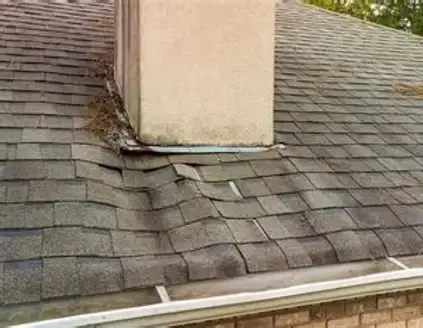
Imagine sitting in your living room during a heavy storm when you suddenly hear a steady "drip, drip, drip" hitting the floorboards. You look up and see a dark water stain spreading across your white ceiling. It is a moment of pure panic. Your home is your sanctuary, and seeing it compromised by wind, rain, or a fallen tree limb is incredibly stressful. You wonder if the ceiling will collapse or how much this will cost. In these high pressure moments, knowing exactly what to do can be the difference between a simple patch job and a massive, expensive renovation project.


A roofing emergency is any situation where the structural integrity of your roof is compromised or water is actively entering your home. To handle it, you must first ensure your safety, contain the water to prevent interior damage, and immediately contact a professional emergency roofing contractor to secure the structure.


What Qualifies as a Roofing Emergency?

Not every broken shingle is a crisis, but certain situations demand an immediate response. A roofing emergency is defined as any event that leaves the interior of your home vulnerable to the elements or threatens the safety of the occupants. If the barrier between your family and the weather is broken, you have a situation that cannot wait until Monday morning.

Common real world examples include:

  • Major Water Infiltration: If water is pouring into your attic or living space, it is a clear emergency.

  • Storm Damage: High winds can lift large sections of shingles or metal flashing, leaving the wooden deck exposed.

  • Fallen Trees or Limbs: Heavy branches can puncture the roof or even crack the rafters.

  • Visible Sagging: If a section of the roof looks like it is dipping or curving, the internal structure may be failing.

  • Fire Damage: Even a small fire can compromise the seal of your roof, making it prone to leaks.


What to Do Immediately During a Roofing Emergency

When you realize you have a problem, stay calm and follow these practical steps in order.

1. Prioritize Your Safety

Before you worry about the house, worry about the people inside. If the roof is sagging significantly or if a tree has crashed through, evacuate the affected rooms immediately. Never walk on a roof during a storm or when it is wet. Roofing materials become incredibly slick, and you cannot see structural weaknesses from above.

2. Contain the Water Damage

If you have a roof leak repair situation, your goal is to stop the water from destroying your furniture and flooring. Place buckets or plastic bins under the drips. If you see a bulge in the ceiling where water is pooling, use a small screwdriver to poke a hole in the center. This allows the water to drain into your bucket instead of spreading across the ceiling and causing the entire sheet of drywall to collapse.

3. Protect Your Belongings

Move electronics, expensive furniture, and family heirlooms away from the leak. If a piece of furniture is too heavy to move, cover it with a plastic tarp or heavy duty garbage bags to minimize the impact.

4. Call a Professional Emergency Roofing Contractor

Once the situation inside is stable, call an expert. Do not wait for the rain to stop to make the call. Most professional services have 24 hour dispatch teams. By calling early, you get your name on the list so they can arrive as soon as it is safe to perform a temporary fix.

What Not to Do

In a crisis, it is easy to make mistakes that lead to injury or extra costs.

  • Do Not Ignore the Problem: Even a small leak can rot your roof deck in a matter of days.

  • Do Not Climb a Ladder in a Storm: Wind gusts and rain make ladders extremely dangerous.

  • Do Not Patch it Yourself: Using the wrong sealant or a cheap tarp can actually trap moisture inside, making the rot worse.

  • Do Not Forget to Take Photos: For insurance purposes, you need documentation. Take photos of the damage from the ground and photos of the leaks inside.


Why Quick Action is Important

An urgent roof repair is about more than just stopping a drip. When water enters your home, it travels along beams and pipes, often ending up far from the original leak. This moisture quickly destroys attic insulation, which loses its ability to keep your home warm once it gets wet. Even worse, mold can begin to grow within 24 to 48 hours in damp environments. By acting quickly, you prevent structural wood rot and keep your repair costs from skyrocketing due to mold remediation or electrical damage.

When to Call a Professional Roofing Service

You should call for professional emergency roof repairs whenever you cannot safely stop the water yourself. If you see daylight through your roof, if your shingles are scattered across the lawn after a storm, or if water is dripping near electrical fixtures, you need an expert. Professionals have the right safety gear and industrial grade tarps to secure your home until a permanent fix can be scheduled.

How Emergency Roofing Services Work

When a team arrives, they follow a streamlined process to protect your home. First, they perform a quick but thorough inspection to find the entry point. Because it is often raining, they will focus on "mitigation" first. This usually involves "tarping over" the damaged section or using emergency waterproof membranes. Once the weather clears, they will return to perform the storm damage roof repair, which involves replacing shingles, fixing the underlayment, and ensuring the roof is once again a solid barrier.

Local Expertise Matters

If you live in an area like Waterford, hiring a local emergency roofing contractor is a major advantage. Local experts understand the specific weather patterns of the region and can usually arrive on site much faster than a national chain. They have a reputation to maintain within the community, which means they are more likely to provide honest, reliable service when you are at your most vulnerable.

A Partner You Can Trust

Dealing with a roofing emergency is overwhelming, but you do not have to do it alone. A reputable roofing company focuses on fast response times and clear communication. The right professional will explain the damage clearly, provide a fair estimate, and work with your insurance company to make the process as smooth as possible. Trusting someone with experience ensures that a temporary crisis doesn't become a permanent headache.


Frequently Asked Questions

How much does an emergency roof repair cost? 

The cost depends on the severity of the damage and the materials needed for a temporary fix. Most emergency tarping services are affordable and are often covered by homeowners insurance if the damage was caused by a storm.

Can a roof be fixed while it is raining? 

A permanent repair cannot be done in the rain because materials won't seal correctly. However, an emergency contractor can install a heavy duty tarp or temporary seal to stop water from entering until the weather clears.

Will insurance cover a roofing emergency? 

Most policies cover "sudden and accidental" damage, such as a tree falling or wind ripping off shingles. They generally do not cover leaks caused by years of neglect or an old roof that has reached the end of its life.

How long does a temporary roof tarp last? 

A professionally installed tarp can protect your home for several weeks. However, it is only a temporary shield. You should arrange for a permanent repair as soon as the weather permits to avoid long term damage.


Conclusion

A roofing emergency is a test of any homeowner’s patience, but remember that you have the power to control the situation. By focusing on safety first, containing the water, and calling in a trusted local professional, you can protect your investment and your family. Take a deep breath, follow the steps, and act quickly. Your home is worth the effort, and getting the right help today will give you peace of mind for years to come.


Comments


bottom of page